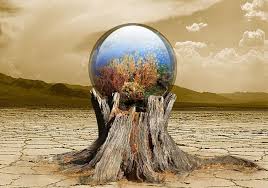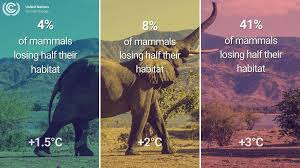
Global warming is reshaping ecosystems and putting immense pressure on wildlife. Rising temperatures alter habitats, food sources, and migration patterns, pushing many species toward extinction.
Polar regions are especially vulnerable. Polar bears and penguins depend on ice for survival, yet shrinking sea ice reduces their ability to hunt and breed. In warmer climates, amphibians are highly sensitive to changing temperatures, while tropical species such as orangutans face habitat loss from deforestation and fires.
Biodiversity loss is not only an ecological tragedy—it also weakens ecosystems’ ability to provide services that humans rely on, such as pollination, water purification, and disease regulation. The World Wildlife Fund (WWF) reports that global wildlife populations have declined by nearly 70% since 1970, with climate change as a growing driver alongside habitat destruction and pollution.
Migration patterns are also shifting. Birds, fish, and mammals are moving toward cooler regions, disrupting food webs and threatening species that cannot adapt quickly enough.
Protecting biodiversity requires preserving habitats, establishing wildlife corridors, and reducing emissions. Conservation efforts, rewilding programs, and supporting indigenous stewardship of lands all contribute to safeguarding ecosystems. A stable climate is inseparable from healthy biodiversity.
About the Author