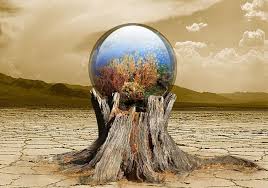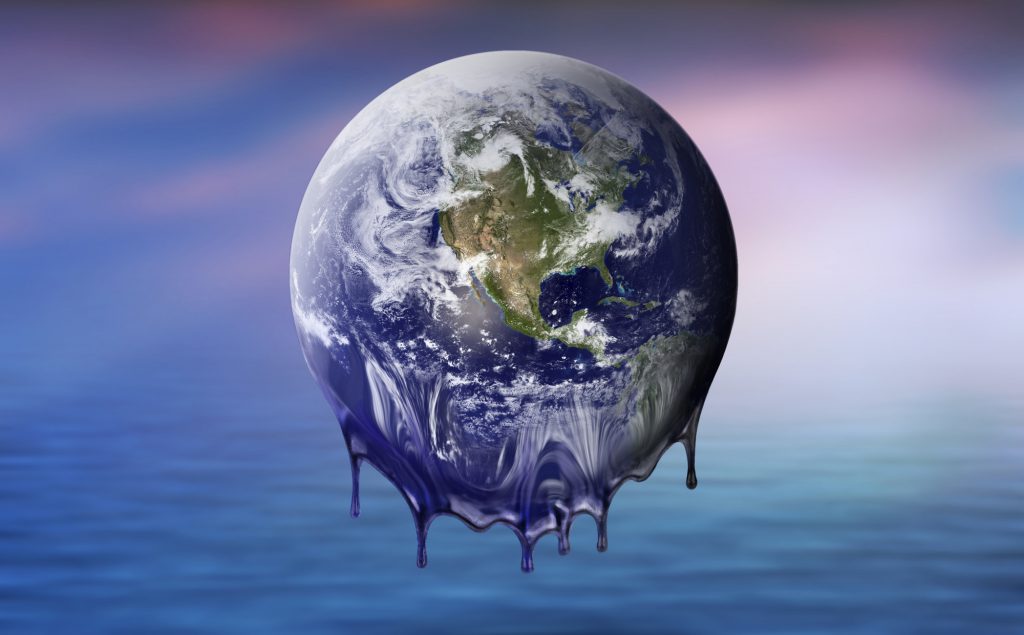
The world’s oceans are central to life on Earth, covering over 70% of the planet and absorbing around 90% of the excess heat caused by global warming. While they act as a buffer against rising temperatures, this protection comes at a cost: oceans are heating, acidifying, and losing oxygen, with far-reaching consequences.
Warming oceans fuel stronger storms and hurricanes, disrupt marine ecosystems, and accelerate ice melt from glaciers. Coral reefs, often called the “rainforests of the sea,” are among the most vulnerable. Even small increases in temperature cause coral bleaching, where corals expel the algae that provide them with energy, leading to mass die-offs.
Ocean acidification, caused by the absorption of excess carbon dioxide, makes waters more acidic. This threatens shell-forming creatures such as oysters, mussels, and plankton, disrupting the marine food chain. Acidification also undermines fisheries that millions depend on for food and income.
Deoxygenation is another concern. Warmer waters hold less oxygen, creating “dead zones” where marine life struggles to survive. Combined, these stressors threaten biodiversity and the livelihoods of coastal communities worldwide.
Protecting oceans requires reducing greenhouse gas emissions, expanding marine protected areas, and adopting sustainable fishing practices. Healthy oceans are essential for a stable climate and a thriving global economy.
About the Author