The future of global warming depends on choices made today. Scientists model different scenarios based on emission levels, known as Representative Concentration Pathways (RCPs).
In a low-emissions scenario, where global cooperation leads to rapid decarbonization, warming could be limited to around 1.5°C by 2100. This would still bring challenges but avoid the most catastrophic outcomes.
In a moderate scenario, with slower emission reductions, temperatures could rise 2–3°C. This would lead to severe heatwaves, major biodiversity loss, widespread water shortages, and significant sea-level rise.
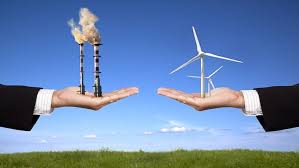
In a high-emissions scenario, where fossil fuel use continues unchecked, global temperatures could rise over 4°C. This would fundamentally transform the planet, with collapsing ecosystems, massive displacement, and destabilized economies.
These scenarios are not predictions but possibilities. The pathway humanity chooses will determine whether global warming is managed or spirals into crisis. The future remains in our hands.
About the Author