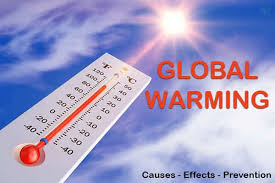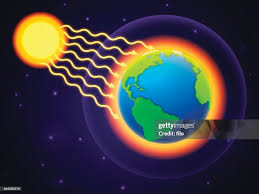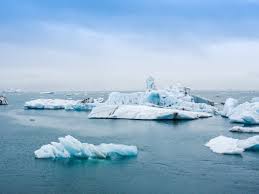
The melting of glaciers and polar ice caps is one of the most visible consequences of global warming. As global temperatures rise, ice in Greenland and Antarctica is shrinking at record rates, directly contributing to sea-level rise. Combined with the thermal expansion of warming oceans, sea levels are rising faster than at any point in the past 3,000 years.
This trend poses grave risks to coastal regions, home to hundreds of millions of people. Low-lying countries such as Bangladesh, island nations like the Maldives, and major cities including Miami and Jakarta are particularly vulnerable. Rising seas increase flooding, erode coastlines, and contaminate freshwater supplies with saltwater intrusion.
Beyond human impacts, melting ice disrupts ecosystems. Polar bears, seals, and penguins lose habitats, while changes in ocean circulation patterns affect marine life globally. The loss of reflective ice also creates a feedback loop: less ice means less sunlight is reflected into space, accelerating warming.
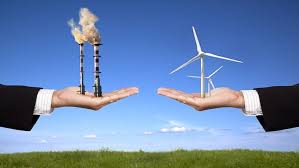
If emissions continue unchecked, sea levels could rise by more than a meter by 2100, displacing tens of millions of people. Mitigation requires urgent emission reductions and investment in adaptation strategies such as sea walls, managed retreats, and resilient infrastructure.
About the Author