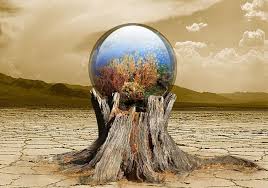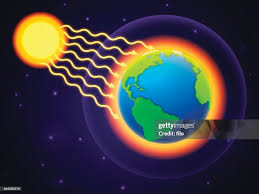
One of the most immediate and damaging effects of global warming is the increase in extreme weather events. Warmer air holds more moisture, fueling heavier rainfall and more intense storms. Meanwhile, hotter conditions dry out soils, leading to prolonged droughts and deadly wildfires.
Hurricanes are becoming stronger due to warmer ocean temperatures, which act as their energy source. Heatwaves, now more frequent and severe, threaten human health, agriculture, and energy systems. Wildfires have devastated regions such as Australia, California, and southern Europe, destroying homes and ecosystems while releasing even more carbon into the atmosphere.
Extreme weather does not just cause environmental damage—it has enormous social and economic consequences. Crop failures, damaged infrastructure, and displacement of communities disrupt economies and strain governments. Developing nations, often the least responsible for emissions, suffer the greatest impacts due to limited resources for adaptation.
While some impacts are already locked in, reducing emissions can prevent further intensification. Better forecasting, disaster preparedness, and resilient infrastructure are essential for adapting to the “new normal” of extreme weather.
About the Author