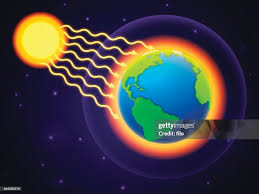
Global warming is primarily caused by greenhouse gases that trap heat in Earth’s atmosphere. While carbon dioxide (CO₂) is the most well-known, other gases also play significant roles. Understanding these gases is critical to designing effective climate strategies.
1. Carbon Dioxide (CO₂): Responsible for about three-quarters of global emissions, CO₂ comes from burning fossil fuels, deforestation, and industrial processes. It remains in the atmosphere for centuries, making it the most persistent driver of warming.
2. Methane (CH₄): Though less abundant than CO₂, methane is far more potent—about 28 times stronger at trapping heat over a 100-year period. Major sources include agriculture (especially livestock), landfills, and natural gas leaks. Methane stays in the atmosphere for about a decade but has outsized short-term effects.
3. Nitrous Oxide (N₂O): With nearly 300 times the warming potential of CO₂, nitrous oxide emissions largely come from agricultural fertilizers, industrial processes, and vehicle emissions.
4. Fluorinated Gases: These synthetic gases, such as hydrofluorocarbons (HFCs), are used in refrigeration, air conditioning, and industrial applications. Though present in small amounts, they can be thousands of times more effective at warming than CO₂.
Each gas differs in both lifetime and potency. For example, while methane is stronger in the short term, CO₂’s persistence makes it the most critical to reduce. Similarly, phasing out HFCs under the Kigali Amendment is a cost-effective way to slow warming.
Understanding these gases helps policymakers and individuals prioritize actions. Reducing deforestation, transitioning to renewable energy, managing agriculture sustainably, and regulating industrial emissions are crucial steps. By targeting multiple gases, we can achieve faster climate stabilization.
About the Author