Global warming is not only an environmental issue—it is a massive economic challenge. Extreme weather events, rising sea levels, and ecosystem disruptions already cost the global economy hundreds of billions annually, and these costs will grow without action.
Disasters such as hurricanes, wildfires, and floods damage infrastructure, displace populations, and strain government budgets. For example, Hurricane Katrina in 2005 caused over $100 billion in damages, while Australia’s 2019–2020 wildfires cost billions in lost property, tourism, and agriculture.
Agriculture and fisheries are highly vulnerable. Crop failures due to droughts or floods reduce yields, driving food price spikes and increasing hunger. Fisheries are collapsing in some regions due to warming oceans and acidification, threatening coastal economies.
Insurance companies are also under pressure, with rising claims making coverage more expensive or unavailable in high-risk areas. Entire industries, from tourism to real estate, face uncertainty as climate risks escalate.
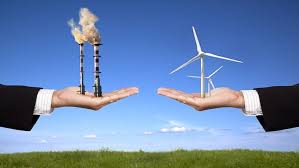
However, tackling climate change also presents economic opportunities. Investing in renewable energy, green infrastructure, and sustainable practices creates jobs, reduces healthcare costs from pollution, and strengthens economies. According to the World Bank, climate action could generate trillions in benefits by avoiding damages and fostering innovation.
About the Author