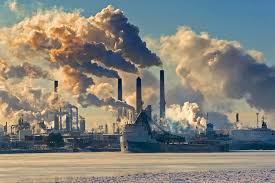
Fossil fuels—coal, oil, and natural gas—are the backbone of modern industrial societies, but they are also the leading contributors to global warming. When burned for electricity, transportation, and heating, fossil fuels release large amounts of carbon dioxide and methane, the two most significant greenhouse gases.
Coal is the dirtiest of the three, producing the highest CO₂ emissions per unit of energy. Oil powers most of the world’s vehicles, while natural gas, though marketed as “cleaner,” still contributes heavily to methane leaks during extraction and transport. Collectively, fossil fuels account for nearly 80% of global energy use, locking societies into high-emission pathways.
The environmental costs are staggering. Beyond direct emissions, fossil fuel extraction damages ecosystems, pollutes water, and disrupts communities. Countries dependent on fossil fuel economies also face challenges in transitioning to renewable energy, but the urgency is clear: the International Energy Agency (IEA) has stated that no new coal or oil development is consistent with limiting warming to 1.5°C.
Transitioning away from fossil fuels requires massive investment in renewable energy, electrification of transport, energy efficiency, and the phasing out of coal plants. While the challenge is immense, the economic benefits of renewables—including cleaner air, healthier populations, and job creation—make the transition both necessary and promising.
About the Author